Repression and Resistance in Russia
:An Overview

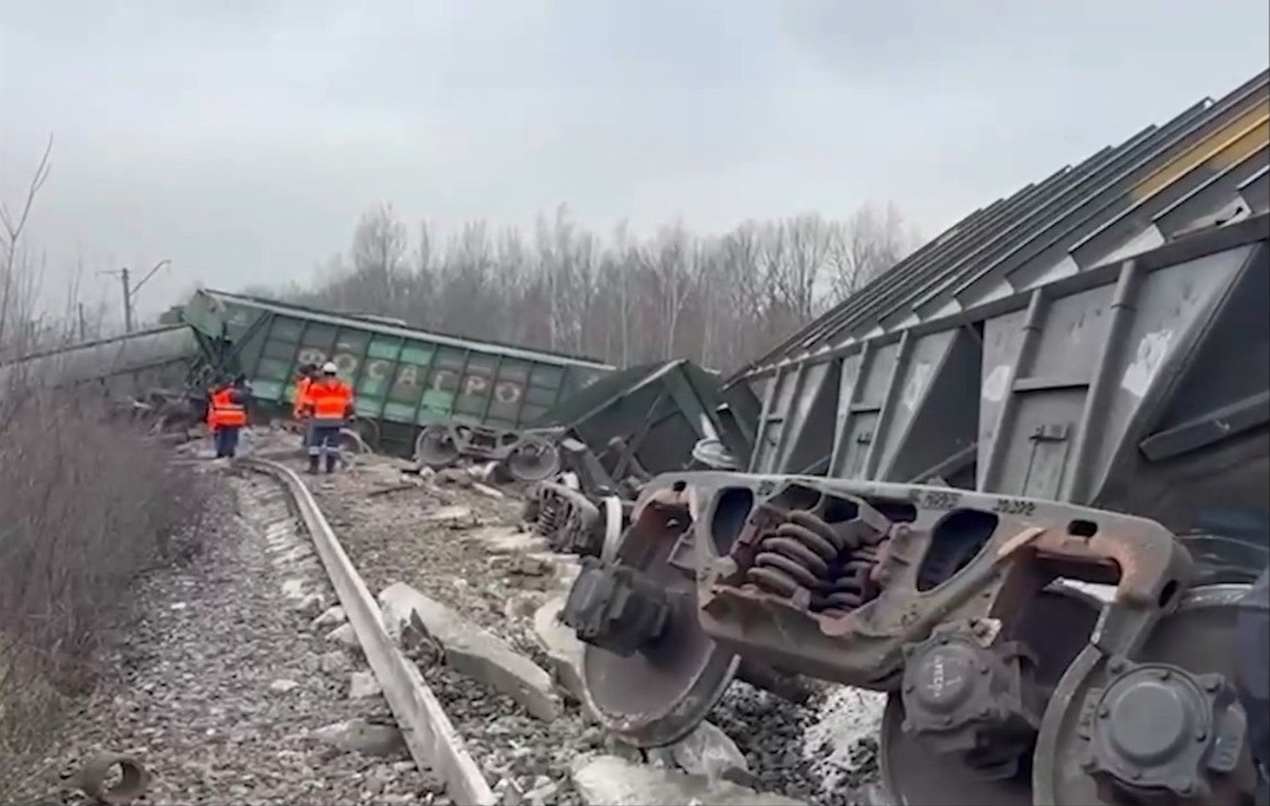
Across three decades, Russia has been at the forefront of the worldwide descent into authoritarianism. Vladimir Putin’s government has suppressed opposition in ways that aspiring autocrats like Donald Trump are still striving to emulate. Yet despite widespread repression, there is still resistance in Russia, and as Putin’s model proliferates, people everywhere around the world stand to benefit from learning about it. Likewise, we should support Russian anarchist and anti-war prisoners, both because resistance within Russia offers hope for the eventual end of war and totalitarianism and because, should autocrats consolidate power where we live, we will wish for people to support us, as well.
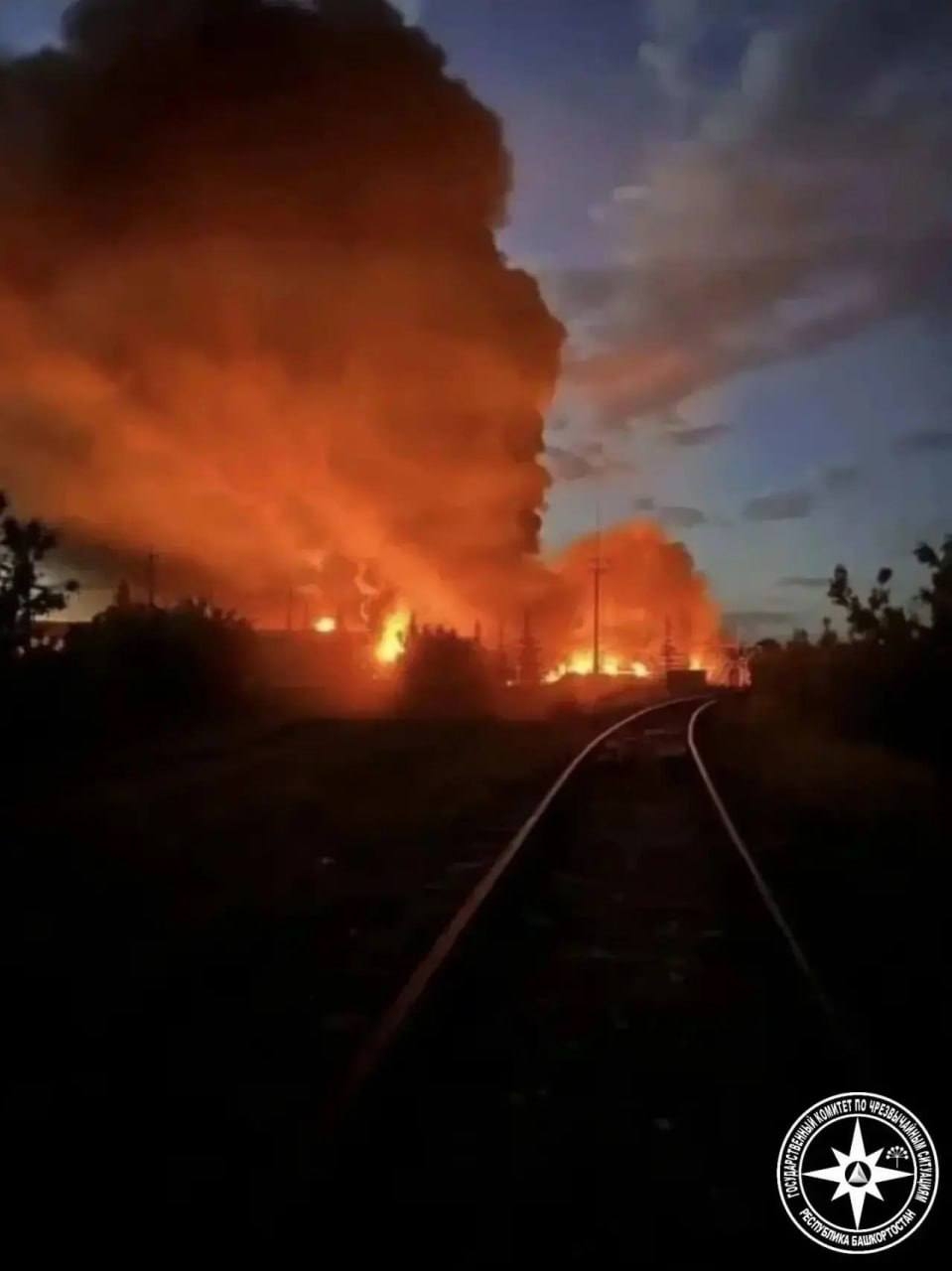
The following text is based on a presentation Antti Rautiainen offered at the Baltic Anarchist Book Fair in Tartu on May 30, 2026. You can watch a video of the presentation here or listen to it via Spotify. The above photograph shows the consequences of an action carried out by the anarchist Ruslan Sidiki.
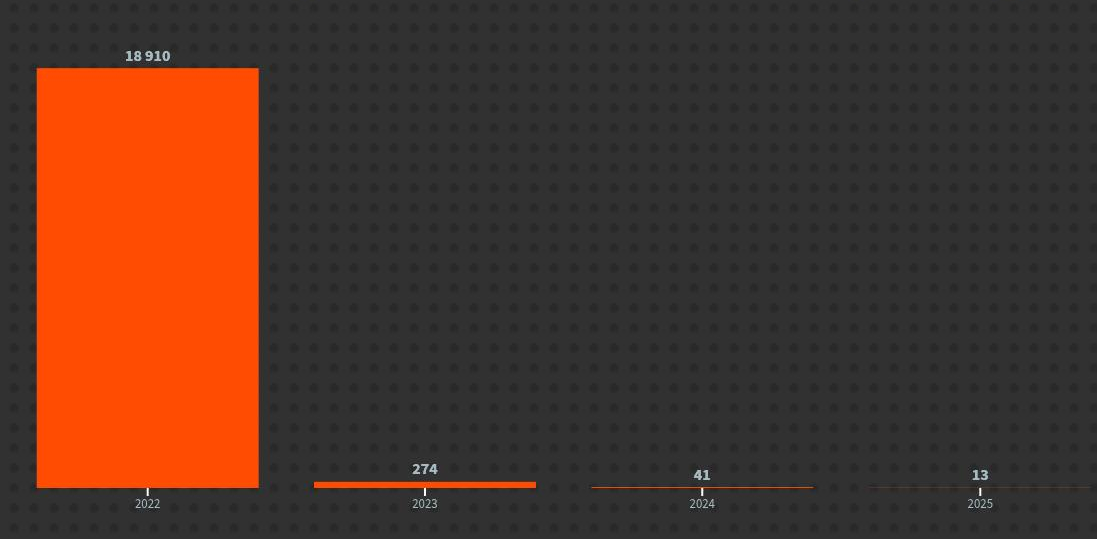
In Russia, street protests against the war were crushed in 2022, the first year following the full-scale invasion of Ukraine. According to the human rights organization OVD Info, 18,901 arrests for anti-war protests in year 2022 were followed by 274 arrests in 2023, 41 arrests in 2022, and just 13 arrests in first half of the year 2025. The reason for this sharp decline was the “Ilya Dadin” law of 2014, according to which “repeated offenses in following the established organization of protests” across a period of 180 days can result a prison sentence of up to 5 years. Thousands of people were arrested once or twice for taking part in anti-war street activities in 2022 and received either a fine or a prison sentence of a few days—but few risked being arrested for a third time.
Detentions for anti-war actions by year, first half of 2025, according to OVD-Info.
Russian polls have been unreliable since spring 2022. After the criminalization of anti-war opinions, some polling companies reported that up to 60% of people queried refused to give answers. Before the polls became unreliable, 58-71% of Russians indicated a pro-war sentiment in various polls. However, opinions were intensely polarized between different groups. People in major cities were more anti-war than those in other locations; younger people were more anti-war, as were women. The greatest division was between people who watch television, the chief propaganda tool of the state, and people who do not watch it. Among people less than 30 years old who do not watch television, 80% were anti-war.
cdn.crimethinc.com/assets/articles/2026/09/09/2.jpg
The general impression among critical Russians is that the majority of those in Russia still share a pro-war sentiment. However, a shift is visible even in officially tolerated opinion polls. According to polls by the Levada Center, over the past two years, the share of Russians supporting the continuation of the war effort has dropped from around 41% to around 28%, and share of those who support peace talks has grown from 51% to 62%. At the same time, the number of those who support making concessions to Ukraine is at 24%: people want peace, but on terms favorable to Russia.
Of course, this may simply reflect what people are willing to say to anonymous pollsters.
Another difference is that now, people in small cities and rural localities are expressing more anti-war sentiment than those in major urban centers. Moscow is the most pro-war city. The likely explanation is that most of the frontline casualties are from small, peripheral communities.
Factors Undermining the Anti-War Movement
Why, after more than four years of war, with more than a million Russian soldiers wounded or dead, is anti-war sentiment still confined to a minority?
As the saying goes, “It’s the economy, stupid.” During the first years of the war, salaries were growing even with high inflation rate. Starting in 2004, the Russian ruling class hoarded huge profits of the oil and gas trade in a fund currently known as the “National Wealth Fund.” Instead of raising the standard of living by investing in healthcare, social benefits and services, and the like, the money was stashed to be spent on wars and militarization. Now these billions are finally flowing into the economy in the form of wartime investment. The unemployment rate is negligible; in some cases, salaries have multiplied at factories in regions that were previously economically depressed. Generous monthly payments for contract soldiers are up to five times the average salary in poorer regions. At the same time, payments to widows and orphans are shifting the economy in the most destitute areas of the Russian federation, from which most of the enlisted soldiers come.
During the first months of 2026, the Russian economy contracted for the first time since the beginning of the war; but now, once again, it is on a growth trajectory, due to the oil price hike following the war in Iran. The Russian state budget is running on a deficit due to the costs of the war, but there are plenty of ways to solve that issue, such as tax increases, using what remains of the National Wealth Fund, cutting social spending and education, and forcing oligarchs to buy state obligations. The Russian economy will likely be able to sustain the war for several years yet, although the standard of living is stagnating now and drone strikes are causing increasing inconvenience.
Another factor explaining Russian support for the war is the situation on the frontline. Russia’s advances have been very slow for years, but most weeks, Russia is still gaining more territory than it is losing. The traditional dream of socialists of all stripes is that soldiers will turn their rifles against the ruling class and finish the war. But throughout world history, this usually takes place in a situation in which a war has already been lost, as in Russia in February 1917 and Germany in November 1918. It is not certain that Russia will win this war, but as long as the chances are high, many people would like to be on the winning side.
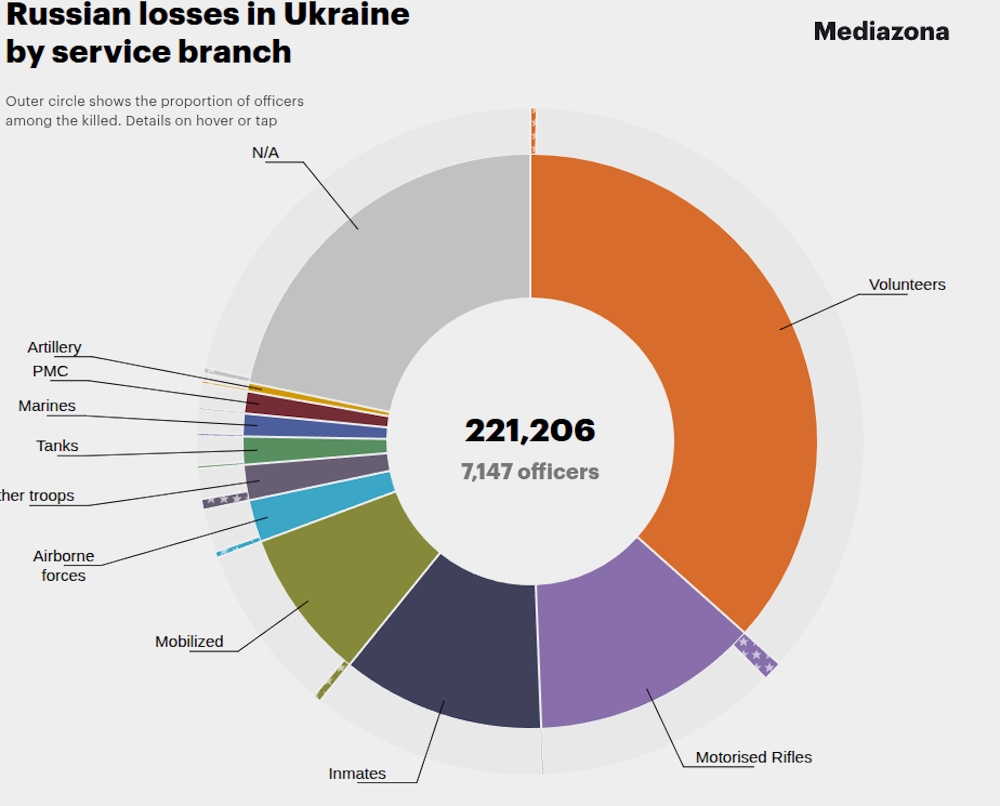
The third factor is that for a random person, the risk of ending up in the war remains low. The independent media project Mediazona, originally established by members of Pussy Riot, has been tracking Russian losses by monitoring social media and other sources, and they have been able dig up information about 239,000 dead at the front. Of these casualties, the service branch of 22.5% of the casualties is unknown. 36.7% are volunteers, 11% are inmates, 21.5% are contract soldiers, and only 8.3% are mobilized soldiers. Some of the volunteers, inmates, and contract soldiers have not signed their contracts voluntarily; inmates and conscripts are pressured to sign contracts. But the vast majority of them had a choice, and even those mobilized often had the option of not appearing in the enlistment office and leaving the country or dodging the draft by other means. Few people who have died in the front have genuinely used every means at their disposal to avoid this.
Also, many of those who would otherwise have opposed the war have left Russia. The exodus that took place in 2022 involved up to 700,000 people. Many of them have returned due to the difficulties of life in emigration, but emigration is continuing.
At the same time, the intensity of the repression targeting anti-war opinion is without precedent since the beginning of Perestroika in 1986.
From Protests to Direct Action
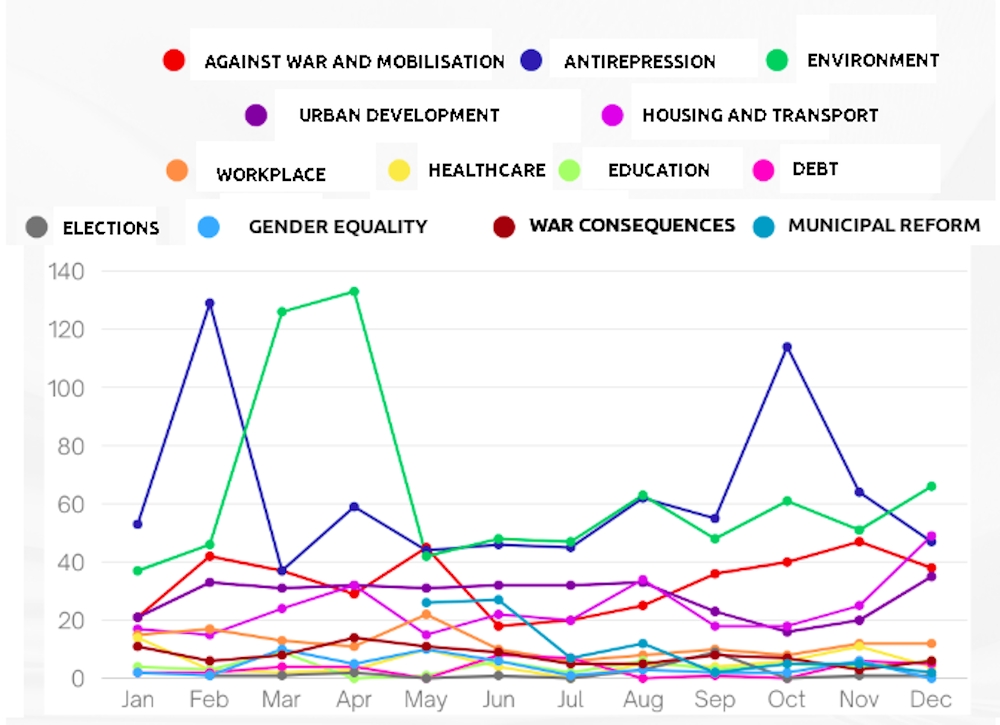
Yet there are still protests and social movements. Activatica is a project monitoring protests in Russia, and they are tracking several hundred protests and direct actions every month. The most popular topics are environmental issues; anti-repression events, such as letter writing events for political prisoners, are still tolerated. Activatica lists much fewer anti-war protests, and those are usually direct actions. In a few cities, lone pickets of stubborn pensioners are still occasionally tolerated without a resulting prison sentence, such as the pickets by Viktor Gilin in Perm.
Protests and direct actions by type, monthly, year 2025, according to Activatica.
The number of anti-war direct actions actually appears to be growing. In 2024, Activatica recorded 145 actions; in 2025, 233 actions. Activatica tries not to count actions provoked by Ukrainian internet scammers, who hack the bank accounts of (usually elderly) persons, then blackmail them into carrying direct actions, which often result in severe sentences. The internet scamming industry is widespread in Ukraine, and it is contributing to the war effort in this dubious way, perhaps also as a consequence of its links to Ukrainian security services.
Direct actions by region, 2024, according to Activatica.
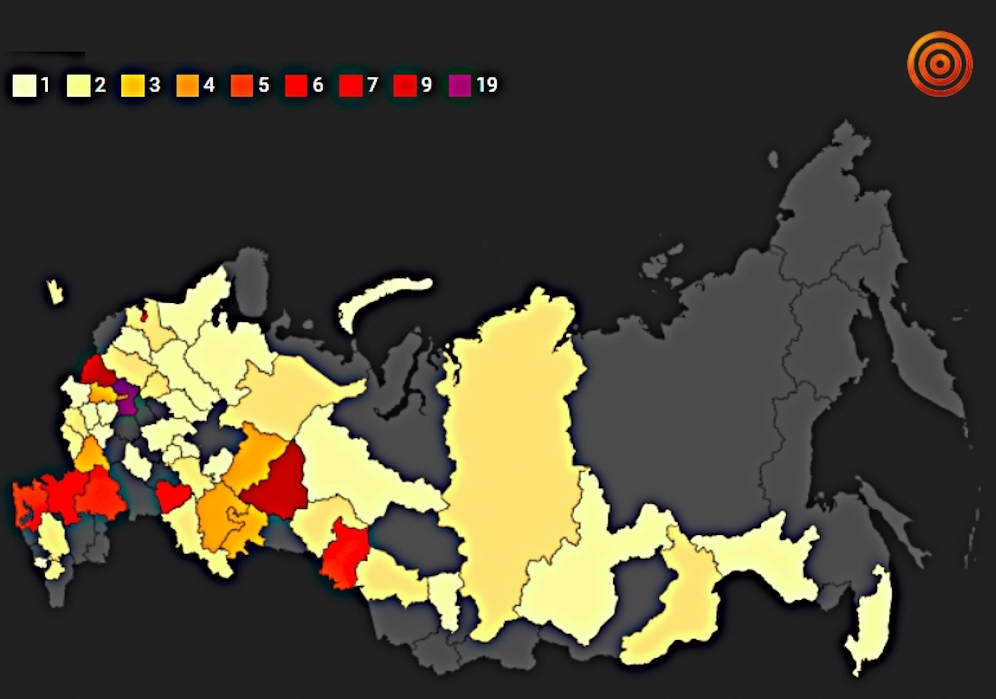
Direct actions by Russian region, 2025, according to Activatica.
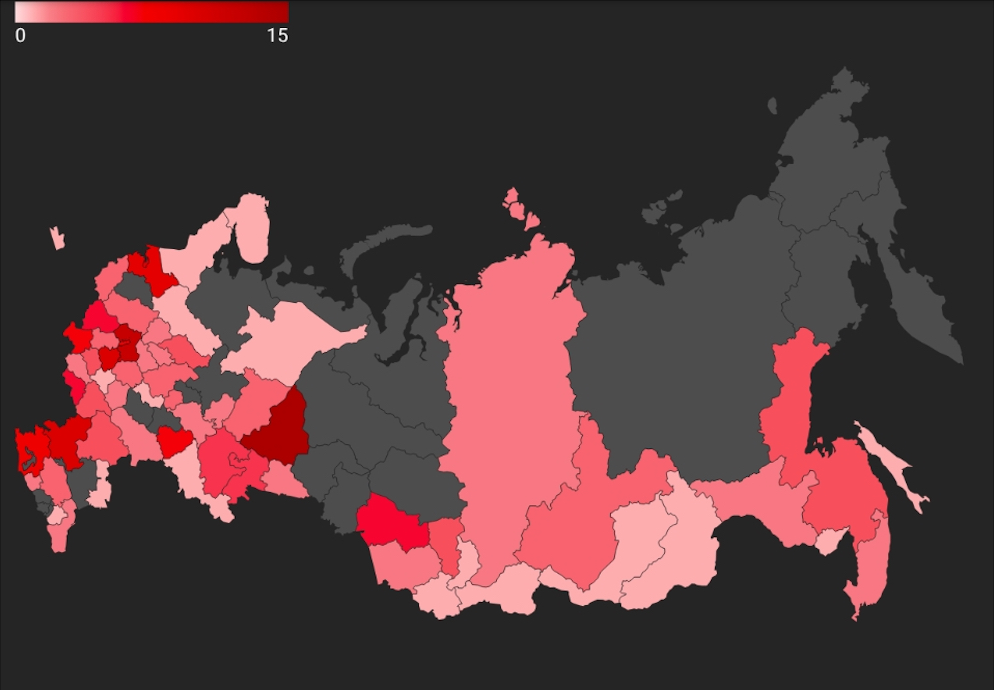
However, Activatica does not attempt to differentiate between actions carried out by activists and Ukrainian secret services—which is challenging in any case, because the secret services occasionally masquerade as activists. One may assume that actions involving explosives that occur not far from the Ukrainian border, or professional-level assassinations of Russian officers in major cities, are unlikely to be the efforts of activists, whereas small-scale Molotov cocktail attacks far from the frontline are probably the work of activists. Often, it is difficult to be sure who is behind what. Moreover, it is possible that people who genuinely oppose the war are contacting Ukrainian secret services in order to solve their own financial problems, or in order to combine their financial and a political interests. The model of Ukrainian secret service hiring civilians for money might be described as “Sabotage as Service”—the same model that is widely used by the Russian secret services in Ukraine and around Europe.
The vast majority of small-scale sabotage actions are not claimed by any group. During the first years of the war, the Combat Organization of Anarcho-Communists (BOAK) succeeded in conducting several major sabotage actions. BOAK was established before the 2022 invasion; it represents the direct continuation of the wave of insurrectionary anarchism that occurred in Russia from 2008-2013, inspired by the uprising in Greece in December 2008 after the police murdered Alexandros Grigoropoulos. Among the founders of the organization was Dmitry Petrov, an anarchist from Moscow who was killed by Russian forces while defending Ukraine in 2023.
The logo of the Combat Organization of Anarcho-Communists.
No one that the authorities have caught has been proven to be a BOAK activist. In one case, the authorities claimed that they had arrested a BOAK member for carrying out direct action, but an anarchist political prisoner who was held in the same prison confirmed that the activist had nothing to do with BOAK or anarchism. The case of another person who was arrested last year and accused of being a BOAK member still awaits confirmation or refutation, due to the secrecy of the court materials. BOAK cannot confirm or refute such claims because it does not preserve the personal details of its contacts.
A photograph from a BOAK action.
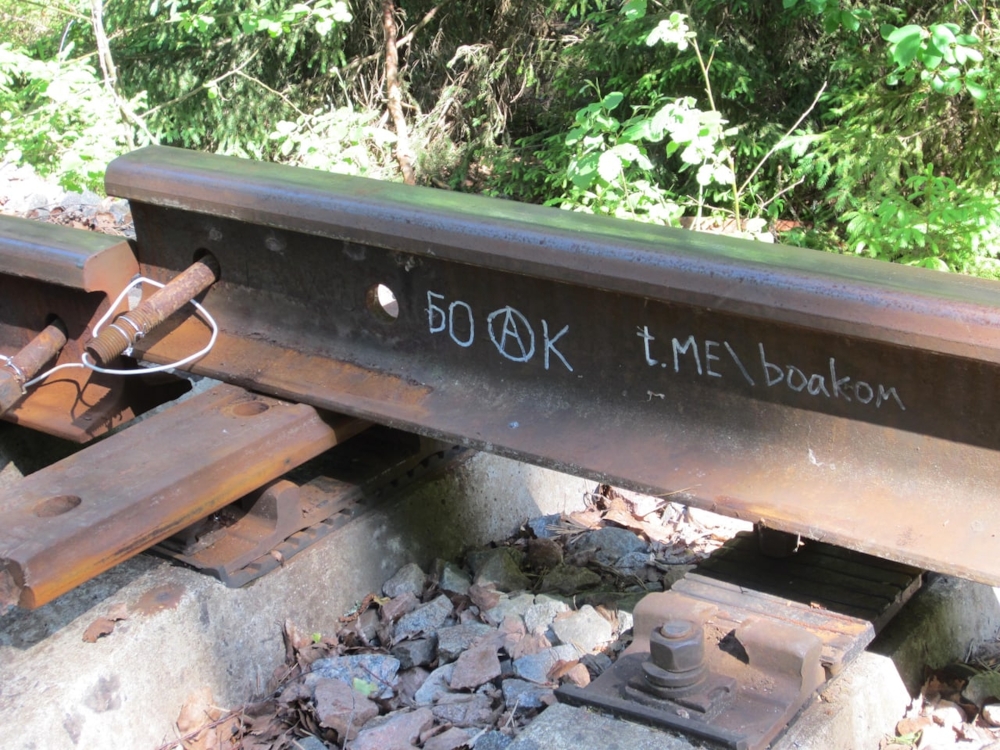
A photograph from a BOAK action.
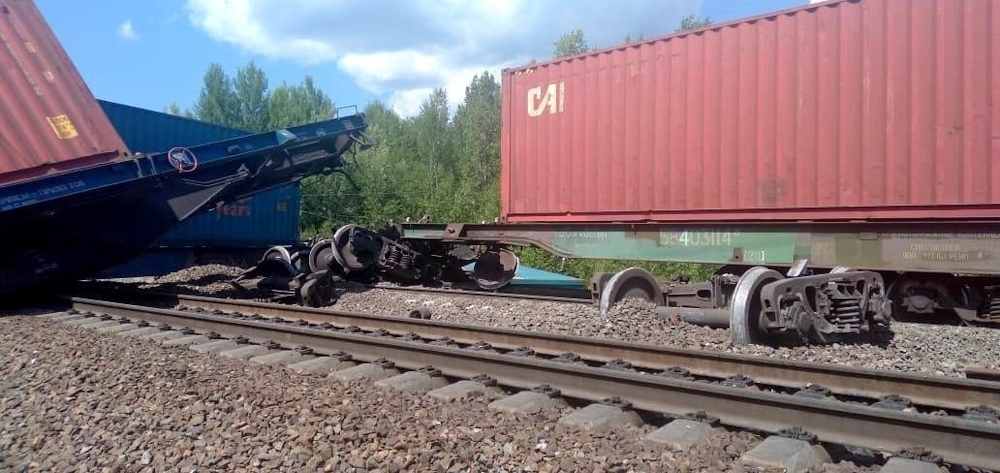
But although BOAK members have been able to evade the Russian authorities, several have been forced to flee Russia or to tone down their activities. This has largely reduced BOAK to a propaganda organization promoting direct action and anarchism.
Organizations Supporting Anarchist and Direct-Action Prisoners
Anarchists have established several organizations to support anarchists facing repression. Currently, the oldest is the Anarchist Black Cross of Moscow, established in 2003. For more than two decades, ABC Moscow has supported repressed anarchists, anti-fascists, anti-authoritarians and their supporters. As of now, ABC Moscow lists 23 anarchist and anti-fascist political prisoners in Russia, of whom 14 are in prison for alleged actions against industry or the military. Most of the rest were imprisoned prior to the full-scale invasion in 2022. During the first years of the war, ABC Moscow spread information about and supported diverse anti-war direct-action prisoners, but lately, their efforts have been confined to supporting anarchist and anti-authoritarian prisoners, due to the sheer number of anti-war prisoners.
In 2025, ABC Moscow (and all the other ABC groups) were declared “undesirable” in Russia, which means that donating to them can result in a three-year prison sentence. Eventually, ABC Moscow moved all of its activities and members abroad; today, it focuses on spreading information and raising funds outside Russia. News about ABC Moscow activity appears regularly on the Avtonom website and via the group’s own Telegram channel. ABC Moscow can receive donations via Paypal and cryptocurrencies.
As ABC Moscow’s activities inside Russia have become impossible, another organization has emerged to support anarchist and anti-authoritarian prisoners, named Fires of Freedom. You can follow its Russian-language Telegram channel here.
Solidarity Zone is another initiative started by anti-authoritarians to support anti-war direct action prisoners of various political convictions (excluding the far right). It was established in 2022, at a time when mainstream human rights organizations were not willing to support those sentenced for arsons and “terrorist” charges. Since then, the situation has changed; now, Russian opposition and human rights organizations have a more positive attitude towards direct action. However, Solidarity Zone is still providing support for 15 prisoners serving lengthy sentences for allegedly carrying out direct action, and the organization is following the cases of many more.

Although the mainstream democratic opposition has become more supportive of prisoners accused of direct action, in practice, the sheer number of prisoners has overwhelmed all prisoner support structures. The most significant Russian human rights organization, Memorial, has declared 1715 prisoners to be political, of whom 674 are anti-war prisoners. It has also listed 5608 people with “politically motivated charges.” Their process of identifying political prisoners has been slowed down severely by the number of cases. For example, Memorial designated the anarchist Alexandr Snezhkov as a political prisoner only two years after his case was submitted to them. In reality, the number of political prisoners in Russia is probably twice as many as they list.
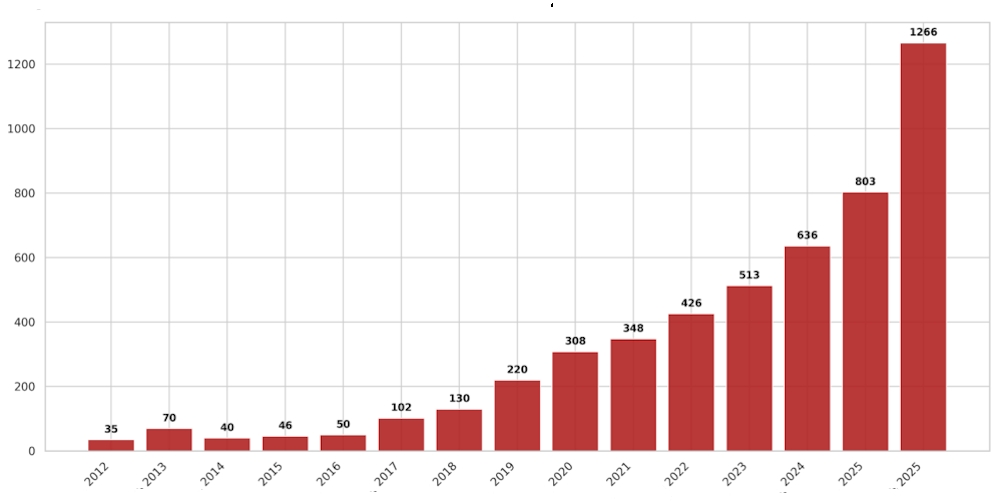
In the first half of 2026, 1234 people were sentenced for “terrorism” (including incitement)—an increase of 38% compared with the first half of 2025. The median prison sentence was 13 years. By the end of 2025, there were 5412 prisoners in Russia with “terrorism” charges, an annual growth of 40.9%. This number includes Ukrainian prisoners of war, who are routinely charged with ”terrorism,” sabotage as a service, provocateur victims etc. Motivations may also overlap.
Altogether, 21,600 people are listed as “terrorists and extremists” on the blacklist of the Rosfinmonitoring, the Russian Federal Service of Financial Monitoring. In addition to prisoners, this list includes people whose sentences expired long ago, and people who have emigrated. Ending up on this list means a lifetime ban on receiving almost any bank services. In practice, those on the list can only earn a living in cash.
Although supporting political prisoners has been a top priority for the Russian opposition, the avalanche of cases has caused prisoner support structures to collapse, and political prisoners have been reduced to statistics. More and more political prisoners have to face court without any financial support or lawyers.
At this point, it is also worth asking what the point of such support even is, as no charges against political prisoners have been thrown out as a consequence of the efforts of lawyers, no matter how skillful. The outcome of every case has been decided long before they make it to the court. Nonetheless, lawyers provide a critical—albeit expensive—means of communicating with prisoners during the periods of investigation. Often, the authorities have stopped torturing prisoners after lawyers have become involved in their cases.
Legal work sometimes secures some minor victories. For example, in summer 2023, Ivan Kudryashov, who was supported by Solidarity Zone while imprisoned for putting up anti-war posters in his hometown of Tver, won a hunger strike after 40 days, gaining the promise that he would have access to vegan food and vitamins sent to him in parcels. Viktor Filinkov, who was arrested in January 2018 and sentenced to seven years in prison on the accusation of being a member of a supposed underground anarchist “Network,” was repeatedly placed in solitary confinement in his prison colony. But with help of lawyers, he managed to challenge these policies and spent last years of his imprisonment in general population.

An Incomplete List of Anarchists and Anti-Authoritarians in Russian Prisons and Prisoner Camps for Opposing the War
Dmitri Syutkin is a young anarchist, and as many of the younger anarchists, encountered with anarchist ideas online and was rather isolated from the anarchist movement. He is from a small city in the Sverdlovsk region, and he maintained a small telegram channel advocating anarchism and independent Ural region. Three years ago, at the age of 17, he was entrapped by the FSB, who deceived him, claiming to represent Russian volunteers fighting in Ukraine. Anarchist prisoner support groups only became aware of him this year. Accused of terrorism and other charges, he may face up to 10 years in prison.
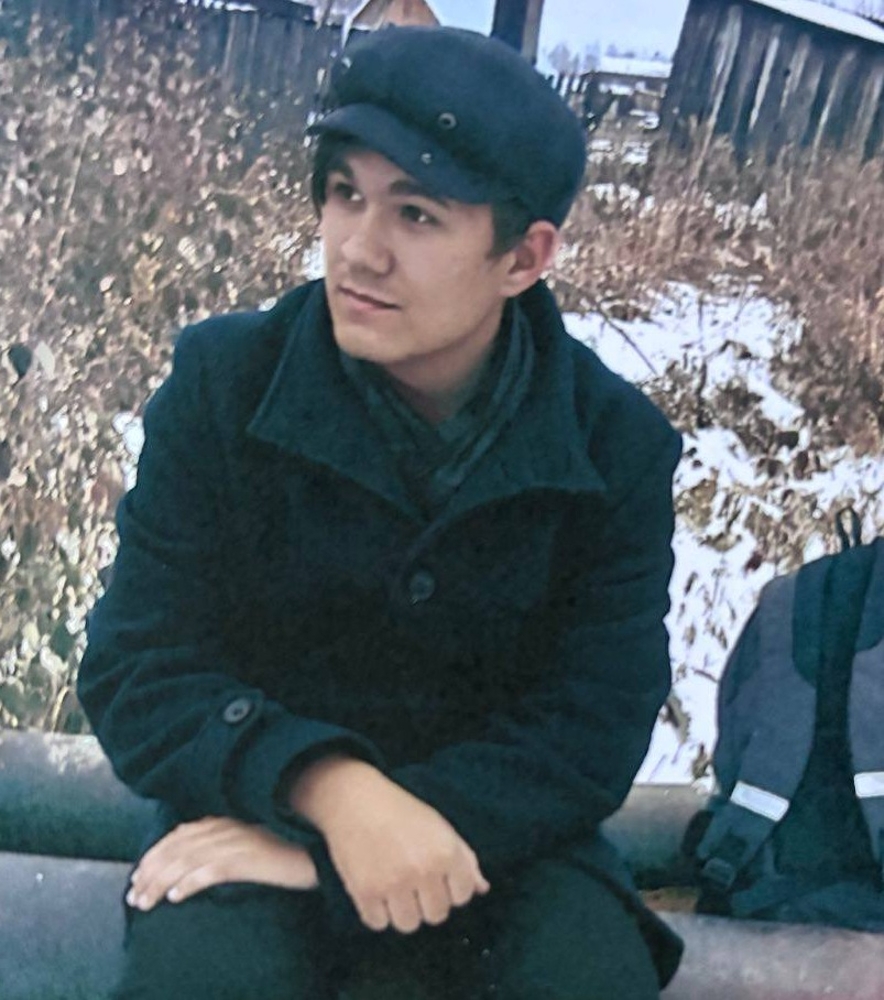
Another anarchist prisoner who was discovered relatively recently is Alexey Grigorev from Novotroitsk in the Orenburg region. Accused of planning to burn an FSB building and military recruiting center and of having contact with the Ukrainian authorities, he was sentenced to 20 years in prison in February 2025, before any prisoner support group learned of his case.

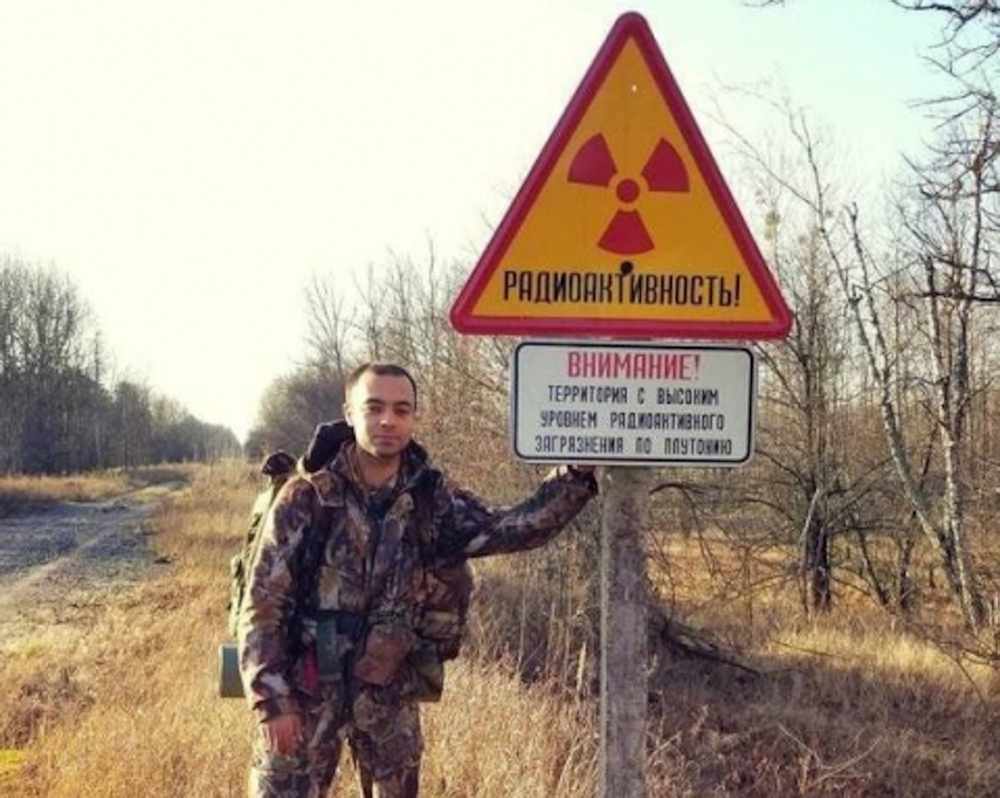
Perhaps the most successful of the lone anarchist partisans is Ruslan Sidiki, who, unlike the prisoners listed above, had connection with the anarchist movement, having been active in a small and longstanding anarchist rural commune in the Leningrad area, close to St. Petersburg. He attempted to use drones to destroy strategic bombers, but failed as a consequence of electronic jammers. A second action against freight train was more successful, completely derailing a train transporting chemical ingredients. However, due to a small mistake, Ruslan was caught following a massive manhunt and sentenced to 29 years in prison in May 2025. This year, Ruslan’s lawyer was arrested, but Fires of Freedom managed to raise funds to pay for new lawyer to file his appeal.
Ruslan Sidiki visiting the Chernobyl Exclusion Zone in better times.
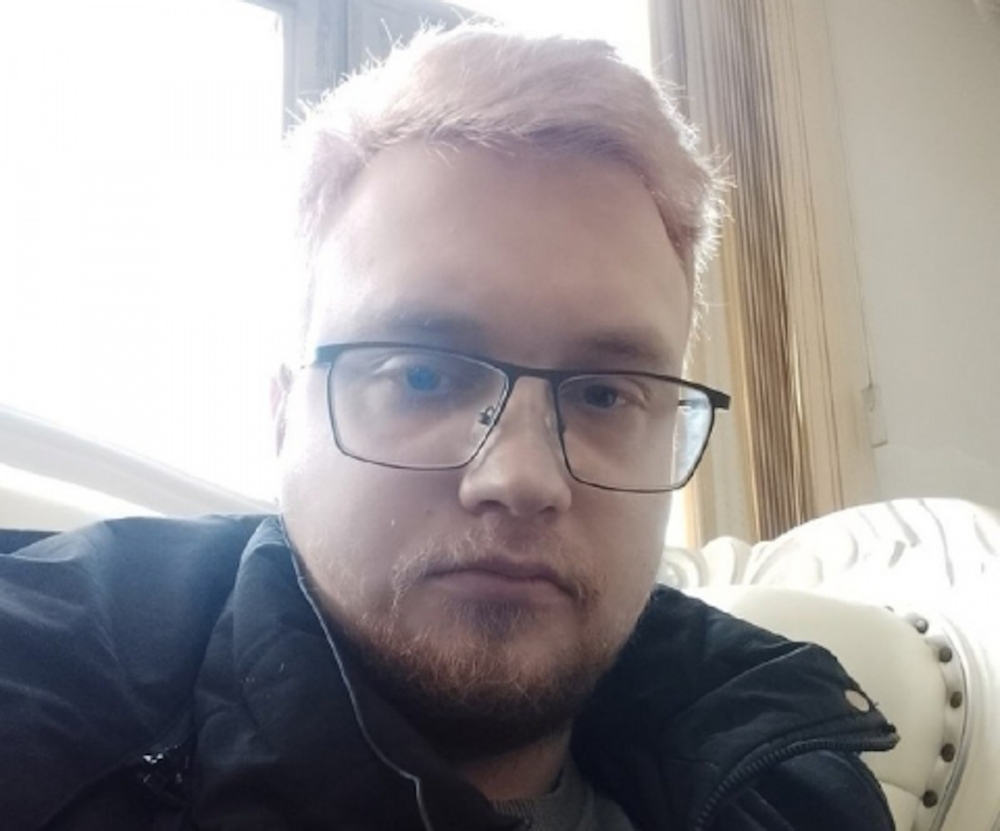
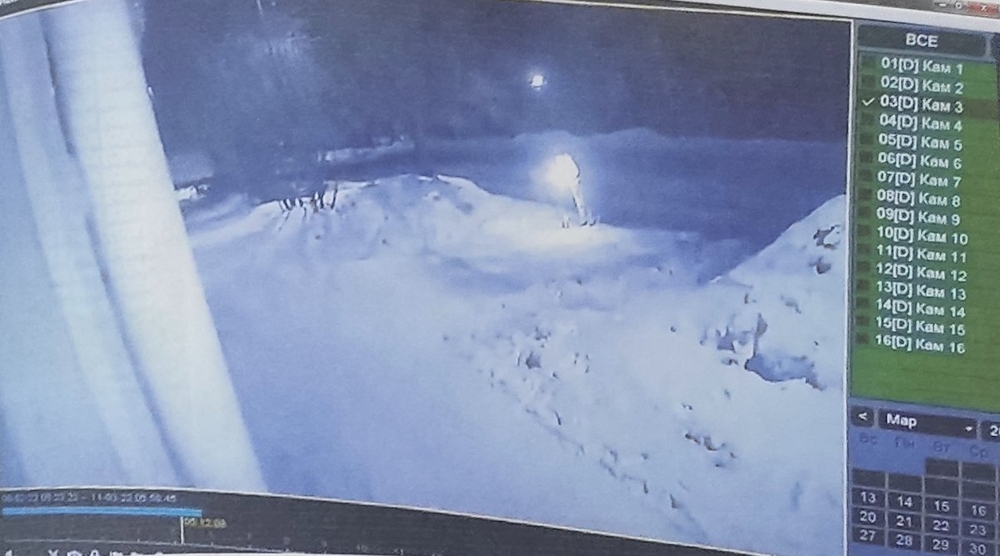
Alexey Rozhkov, another lone anarchist partisan, was one of the first people to attack military enlistment offices. He attempted an attack with Molotov cocktails on March 11, 2022, just two weeks after the war began. He was soon arrested, but because minor sabotage did not yet result in automatic terrorist charges during the first months of the war, he was released pending court and escaped to Kyrgysztan. Unfortunately, he was kidnapped there, brought back to Russia, tortured, and charged with terrorism. In May 2026, he received a sentence of 16 years in prison.
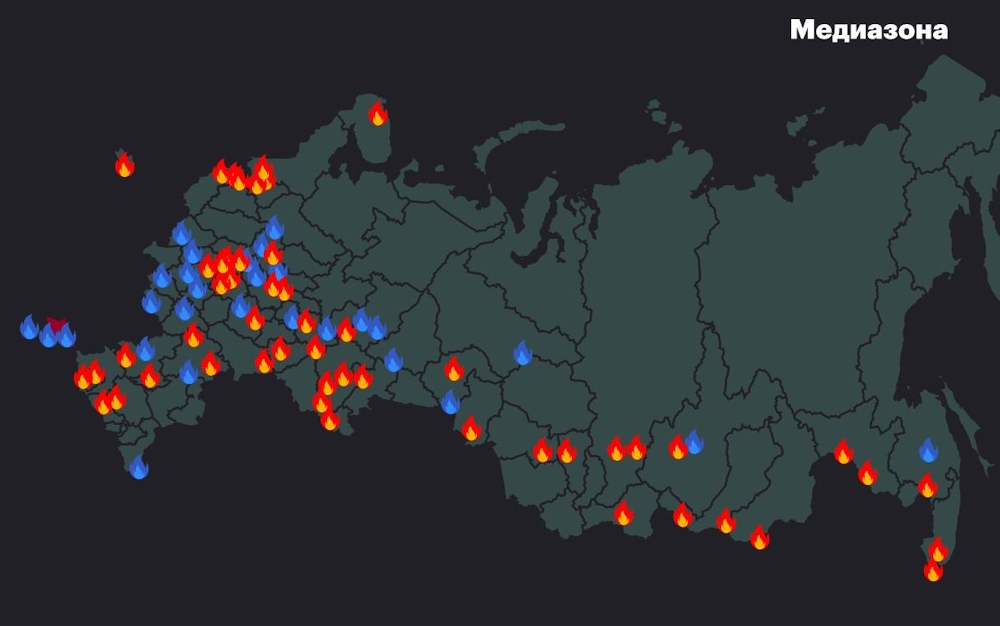
Eventually, this and other actions against enlistment offices inspired a massive wave of arson attacks. Mediazone listed 94 such attacks during the first year and a half of the war. During that early phase of the war, many enlistment offices did not have their files digitized, so burning an office could protect everyone from an urban neighbourhood or rural region from being sent to war for several months. Eventually, the authorities began a hurried effort to digitize all the conscript files; although actions against enlistment offices still occasionally take place, the value of the target is now doubtful. Currently, most anti-war sabotage is targeted against transport and energy infrastructure such as railroads.
Alexey Rozhkov with Molotov Cocktail. CCTV camera footage, scan from print of the court documents.
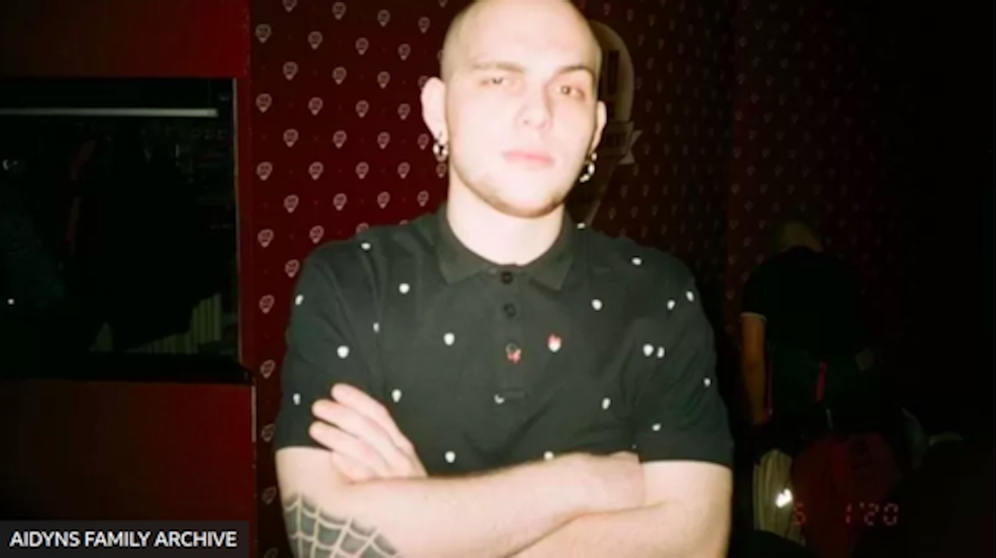
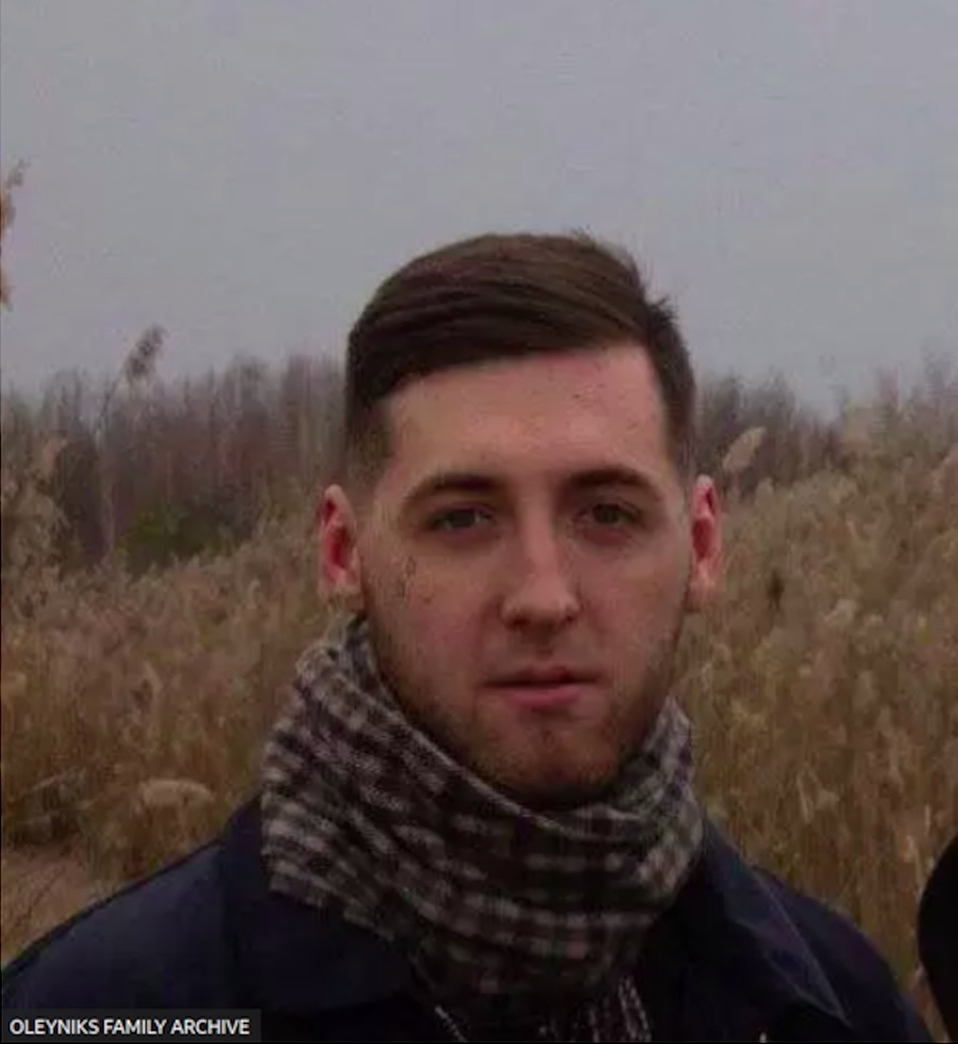
Currently, the most significant case against anarchists is the Tyumen case, which is still in court. Six anarchists from Yekaterinburg in the Ural region and Tyumen and Surgut of Siberia are accused of establishing a clandestine anarchist organization. In August 2022, Kirill Brik and Deniz Aydin were arrested in a forest in Tyumen, allegedly while attempting to test explosives. Arrests followed in Yekaterinburg and Surgut. All of the arrestees were brutally tortured; they confessed, but eventually all of them except Kirill Brik recanted their testimony. Still, with a cooperating witness, the situation of the others accused is dire. Nikita Oleynik, the founder of the anarchist library Burevestnik (“Storm Petrel”) in Surgut, is accused of being “a leader of a terrorist group” and is in a danger of receiving a life sentence.
The life sentence was introduced in Russia in 1992 as a replacement for the death penalty. For 34 years, no one with a life sentence has ever been released in Russia. The other defendants in the Tyumen case face up to 25 years in prison each.
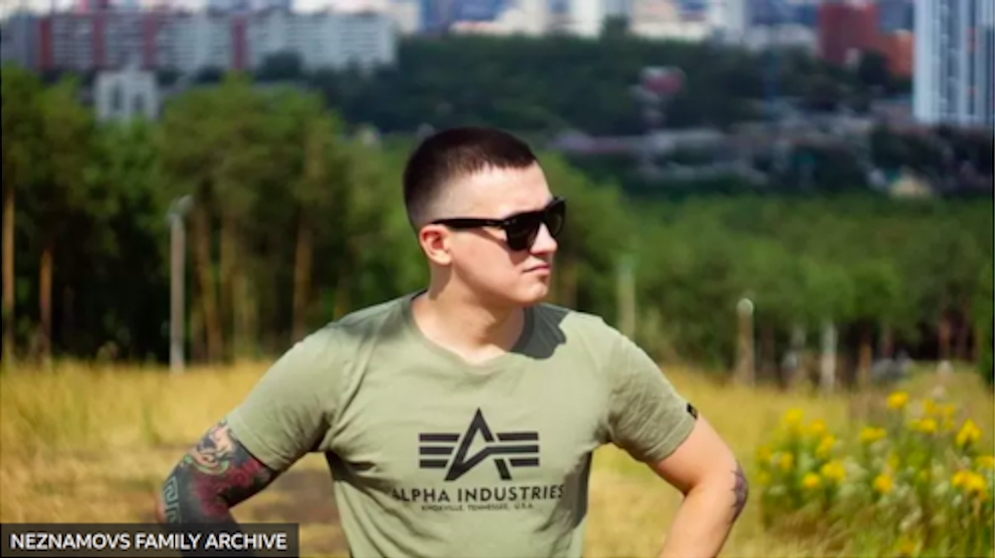
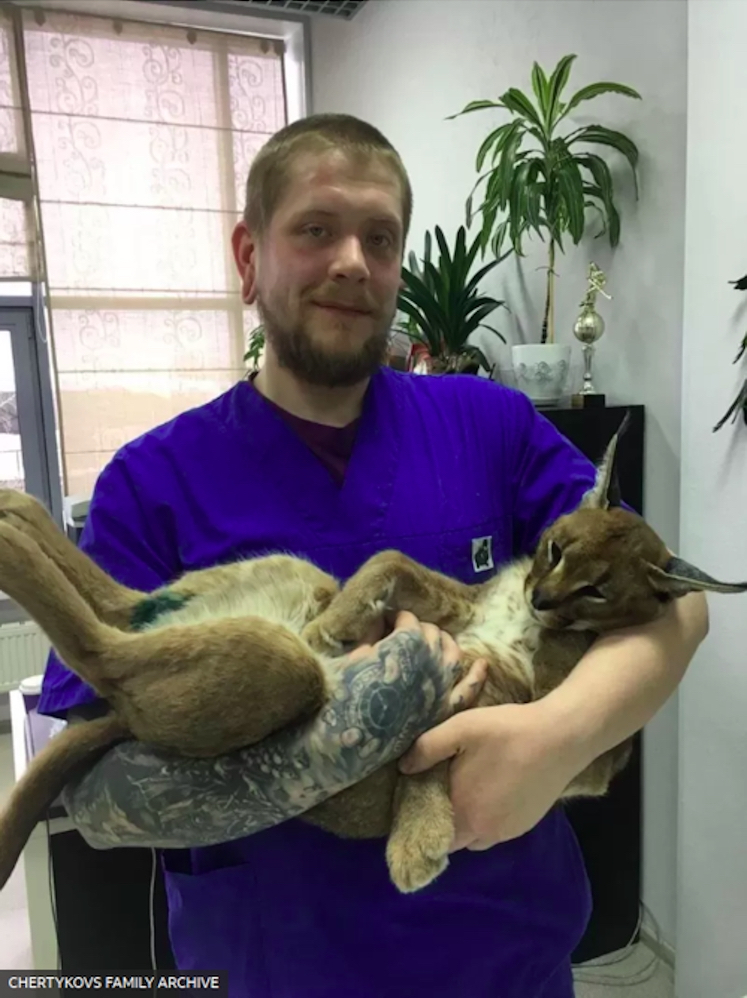
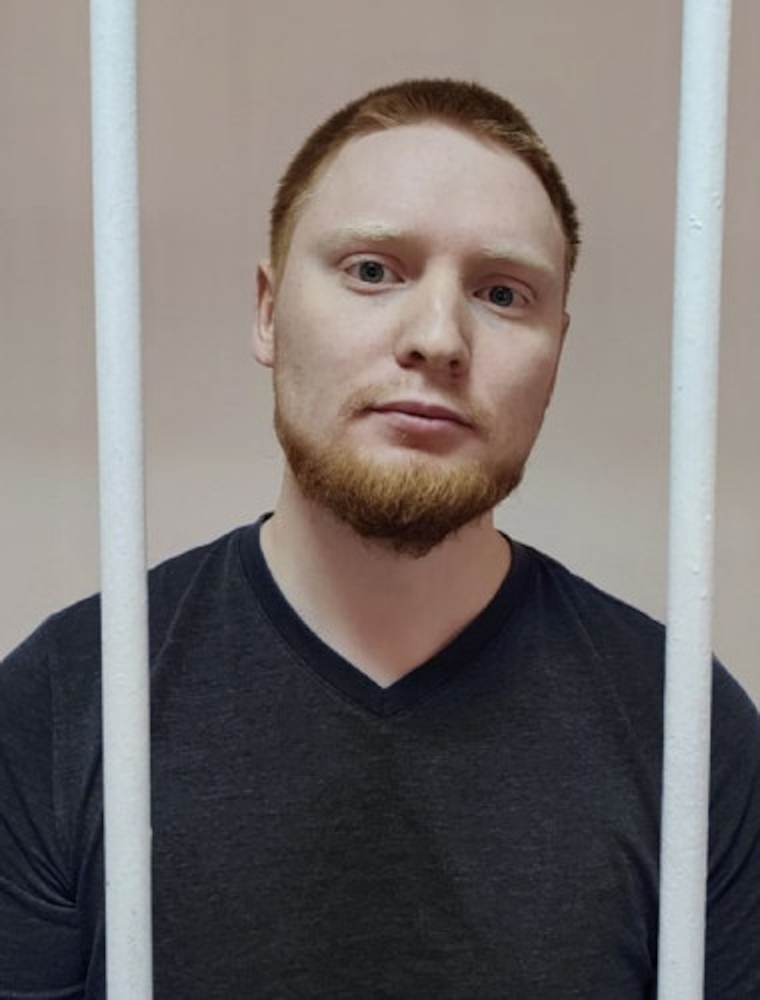
Aleksandr Snezhkov and Lyubov Lizunova were arrested in Chita in the far east of Russia in October 2022, while only 19 and 16 years old. Allegedly, they painted graffiti reading ”Death to the regime.” They were also suspected of administering a Telegram channel with anarchist and anti-war messages. Snezhkov was sentenced to six years in prison and Lizunova to three and a half years in April 2024. This year, Aleksandr received an additional sentence for “incitement” because he allegedly read his legal papers to other prisoners; he has been sent to a stricter prison for the remaining two years of his sentence.
Lyubov Lizunova and Aleksandr Snezhkov.
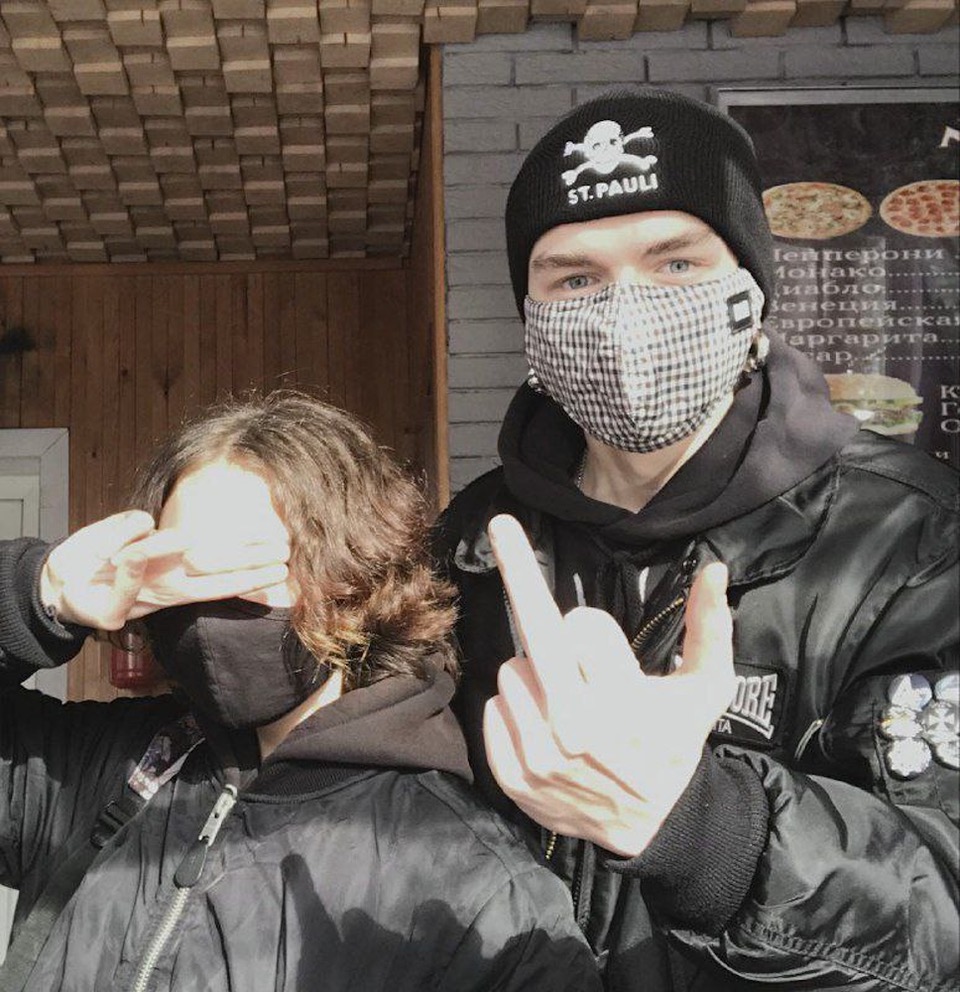
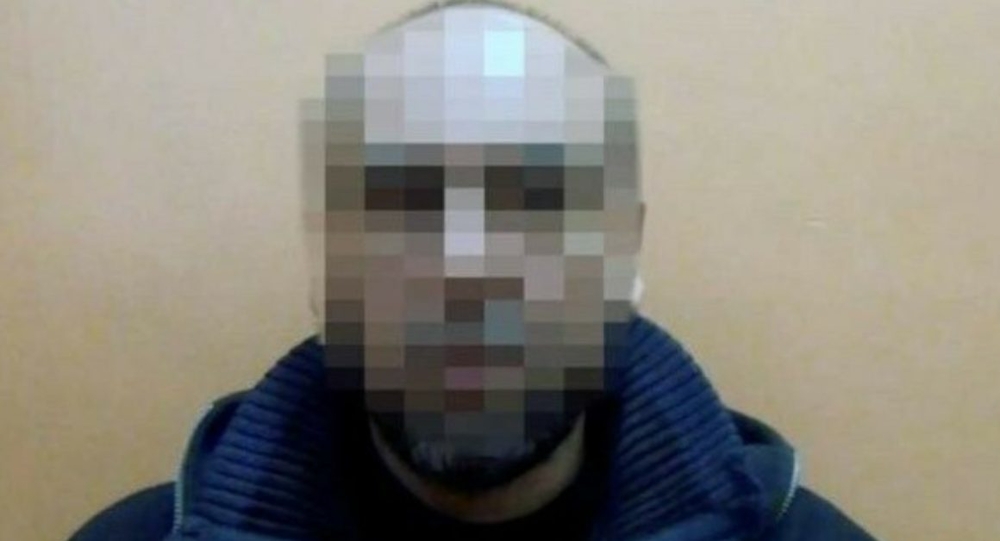
Solidarity Zone tracked down the anarchist Roman Shvedov in the court system in autumn 2024. He was accused of anti-war arson. However, he refused the support that Solidarity Zone offered, insisting that there was nothing that could be done for him and emphasizing that he would prefer for the resources to be directed to other victims of repression. After being sentenced to 16 years in prison, he committed suicide in a Rostov jail in December 2024. The face of this fallen anarchist comrade remains unknown to us. Solidarity groups do not even have a proper photograph of him, only a pixelated face from Russian mainstream media.
What Can Those Abroad Do for Russian Anarchist Prisoners?
The most straightforward way to act in solidarity with Russian prisoners is by spreading information—for example, translating news and carrying out banner drops, graffiti, and other forms of direct actions. A great deal of news about Russian anarchist prisoners is available on the English section of the website of Autonomous Action, the former Russian Libertarian Communist federation, which is now working as a media project.
The logo of Autonomous Action.
With automatic translation tools available for free online, it is easy to write letters even when the prison censors only allow prisoners to receive letters in Russian. It is possible to write to a number of anarchist prisoners via the prisonmail.online service at a small cost; the service also provides the opportunity to receive replies. It is possible to write other prisoners via snail mail. A full list of addresses is available via the ABC Moscow website.
Prisoner solidarity groups are in constant need of funds to pay for lawyers and other costs of imprisonment. You can donate to fundraising campaigns and projects that support prisoners—Anarchist Black Cross of Moscow, Fires of Freedom, and Solidarity Zone.
It is also possible to donate to direct action initiatives such as BOAK using cryptocurrency. Last but not least, you cansupport the anarchists of Belarus (such as the Anarchist Black Cross of Belarus and Pramen) and Ukraine (such as Solidarity Collectives). All three countries are now locked in a common struggle against war and Russian authoritarian imperialism.